
After more than 12 years in high-end retouching, working on campaigns for beauty and fashion brands like Dior, YSL, Diesel, and magazines such as Vogue, L’Officiel, and Cosmopolitan, alongside photographers and celebrities, I’ve learned that mastering your craft is only part of the equation.
Strong communication skills are just as critical, and the secret to minimizing revisions and building long-term client relationships lies in your ability to align with the client’s vision early and to understand the psychology of collaboration.
Ask the Right Questions to Avoid Unnecessary Fixes
The most important step in preventing unnecessary edits is asking the right questions before the work begins.
Why are these images being created?
What is their purpose — catalog, editorial, advertising, or social media?
Practical approach: I always request a creative brief, visual references, and mood boards. I ask for specific guidance on color grading and the desired level of retouching. Should the image be flawless, or should we preserve skin texture and minor imperfections to keep it human and alive?
☝️ But here’s the challenge: the people who make final decisions — art directors, photographers, brand representatives — are often juggling multiple deadlines and deliverables. Sometimes the creative brief is vague, incomplete, or missing altogether.
That’s where your experience comes in.
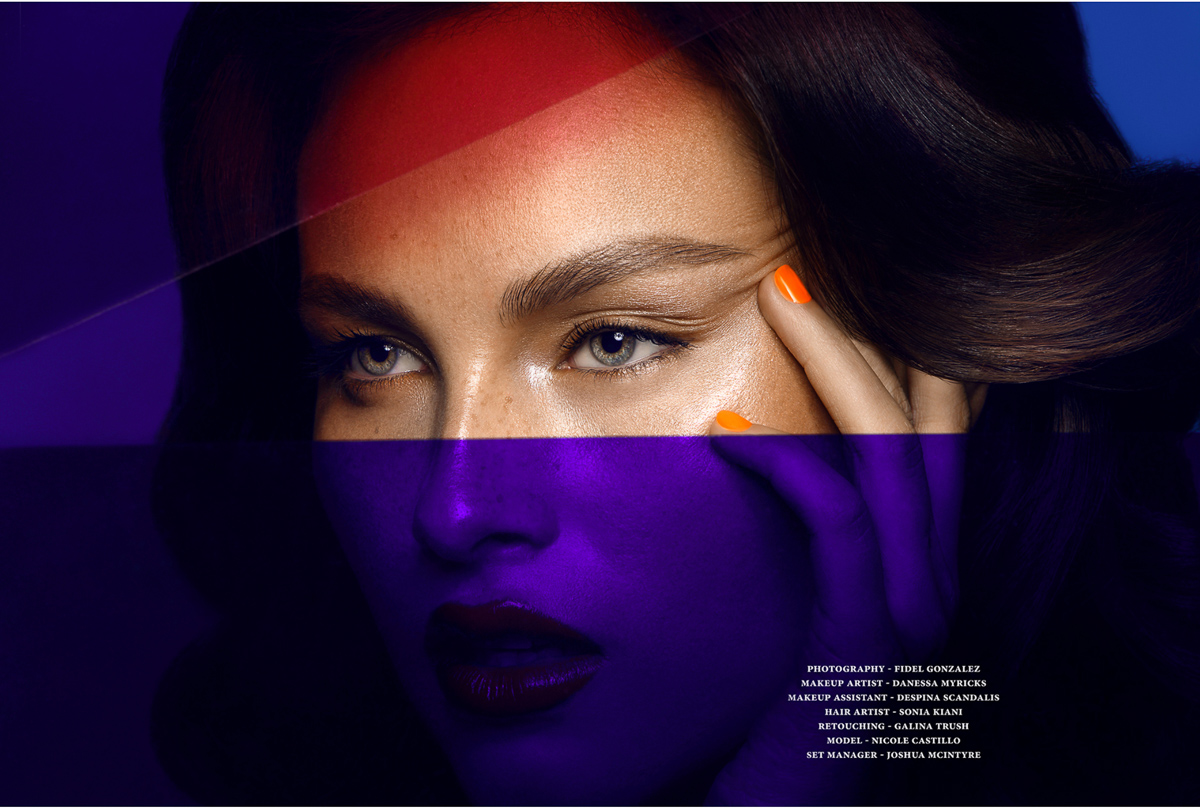
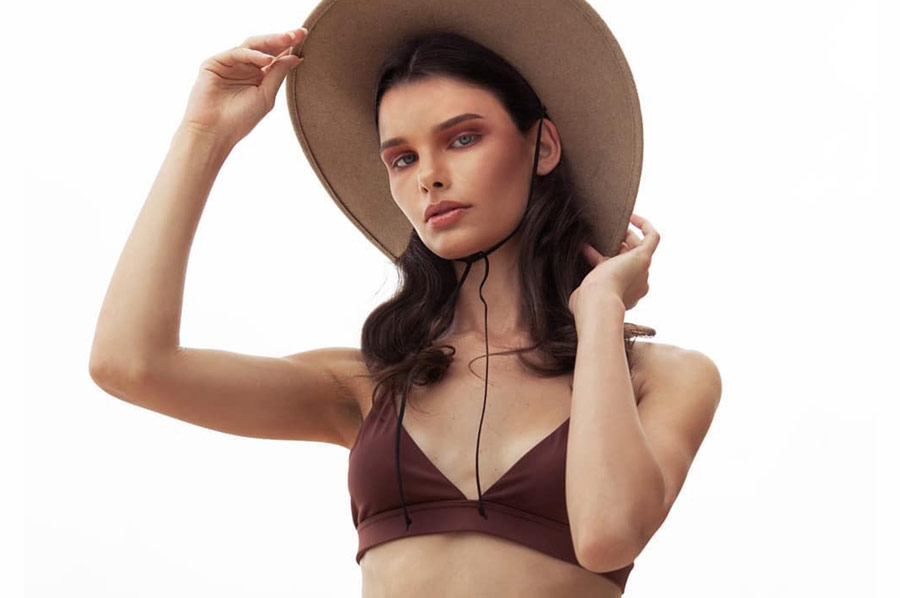
Nicole Castillo, Photography by Fidel Gonzalez, Retouching by Galina Trush
As a retoucher, your job is to read between the lines.
I make it a point to review the client’s existing body of work: check their social media, website, and overall visual style.
I look at the colors they tend to favor — muted or vibrant? Do their images lean toward polished clarity or something more raw and textured, with grain and motion blur?
All of this is essential for preserving the brand’s visual DNA and capturing the client’s intended mood.
Real-World Retouching for Fashion and Beauty Brands
When retouching images for bridal gown catalogs for California-based designer Kitty Chen, my primary focus is on enhancing the details and elevating the dress.
I remove visual distractions, preserve accurate fabric color, and increase clarity selectively to draw attention to design details. This is especially important when the dresses differ only slightly in tone — from ivory to off-white, or from soft beige to pale blush pink.
The goal is not to stylize the image, but to highlight craftsmanship and fit.
In contrast, a recent campaign for Diesel called for a completely different approach.
I was asked to leave imperfections in and enhance overall frame detail to create a raw, almost aggressive visual feel. These images weren’t about perfection, instead, they were about attitude.
The goal was to make the images feel raw and striking. The retouching had to amplify that gritty, unapologetic vibe. This aligned with the brand’s design language, where authenticity and edge are essential, and the retouching style had to support and reflect the brand’s aesthetic code.
When working with skincare and cosmetics brands, the goal shifts again. It’s about realism – conveying the texture, color, and finish of the product as accurately as possible.
You’re not just retouching a face – you’re translating a formula into pixels. This requires a different kind of precision.
It sounds simple, but even experienced artists can overlook this while chasing a creative look that doesn’t align with the client’s commercial objective.
Sometimes, a client’s requests can differ significantly from current trends in photo retouching.
While working on a lipstick and eyeliner campaign for Runway Rogue, founded by supermodel Patricia Hartmann, I encountered a common challenge: professionally shot images often didn’t capture the true shine or metallic pigment of the product.
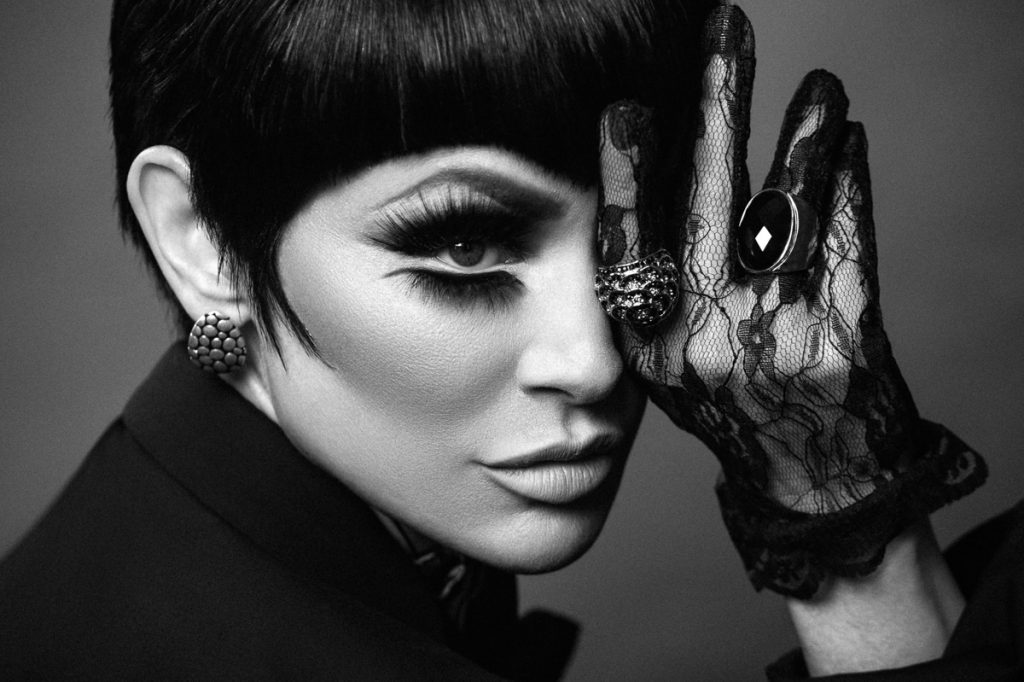
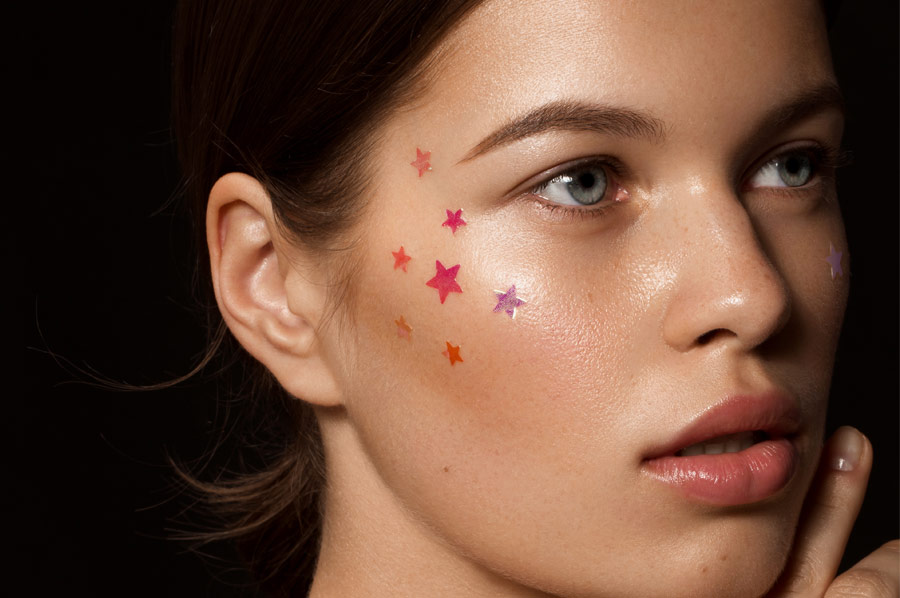
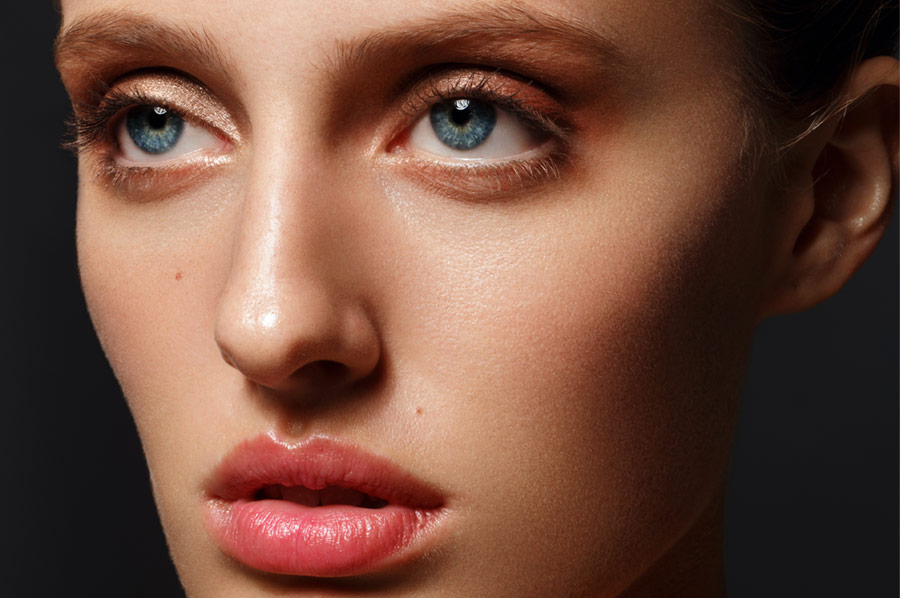
Patricia Hartmann, Photography by Fidel Gonzalez, Retouching by Galina Trush
To meet the founder’s expectations, I had to enhance these specific qualities in post-production to ensure the makeup displayed the full gradient of shades and the reflective finish the brand required.
For this project with Patricia, I had to reduce the overall skin detail and keep the focus solely on the lips to avoid drawing attention away from her product.
The entire series was inspired by the low-detail aesthetic of early 1990s photography, and the retouching had to reflect that inspiration.
Celebrity Retouching Requires Understanding and Precision
When working with public figures, it’s crucial to be able to amplify their presence while staying respectful of their stage of life and preserving their identity.
To minimize revisions in this context, it’s essential to approach each project with empathy and research.
I take time to study how the subject presents themselves.
What do they share on social media? Do they embrace their natural features?
Do they lean into filters or show natural features unapologetically?
Are they known for embracing age, or do they maintain a more polished, editorial look?
These subtle cues inform me how far I can go with cleanup or enhancement, and which features must remain untouched.
By aligning with the client’s self-image and respecting their individuality, I reduce the likelihood of revisions and build a foundation of trust — something that’s especially important when working with personalities who are always in the public eye.
I’ve had the honor of working with extraordinary women whose beauty, like fine wine, has only deepened and become more refined over time.
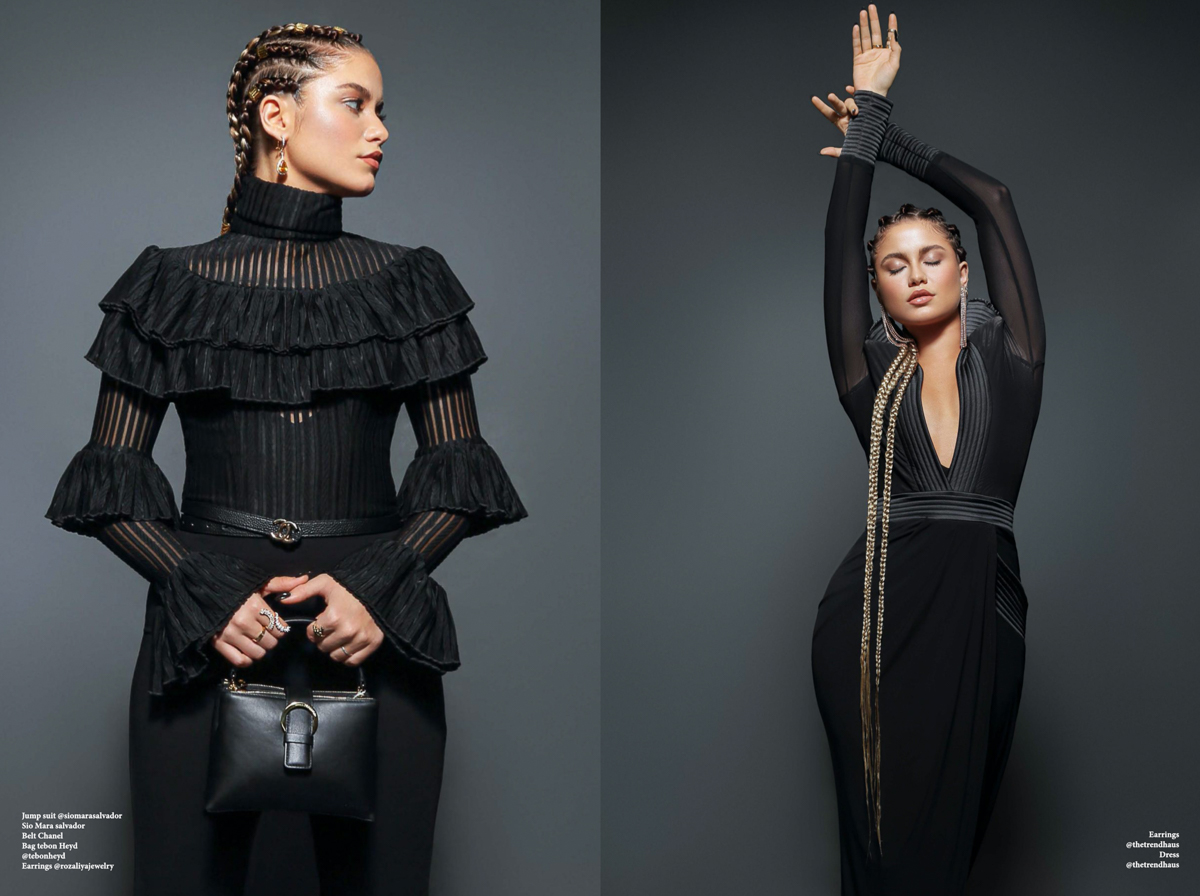
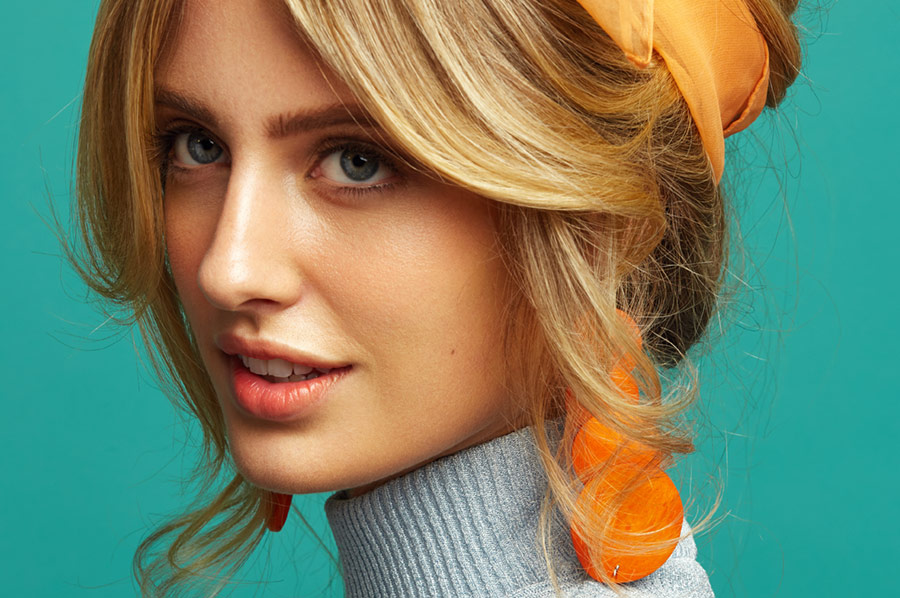
Sofia Reyes, Photography by Fidel Gonzalez, Retouching by Galina Trush
Talents such as Lesley Ann Warren (Victor/Victoria, Clue, Desperate Housewives), Miley Cyrus (singer), Sofia Reyes (singer), Amy Taylor (supermodel, actress), Nomzamo Mbatha (actress Coming 2 America), Eva Marcillle (supermodel, actress), Susan McKagan (supermodel), Kelly Le Brock and Rochelle Aytes (Mistresses, S.W.A.T.) embody a type of elegance that evolves with life experience.
Their features tell stories — of confidence, grace, and individuality — and my responsibility as a retoucher is to enhance their presence without compromising their authenticity.
The goal isn’t to idealize or rewind time, it’s to present them at their best while honoring who they are in the present moment.
This work requires a careful balance.
I never fully erase expression lines or natural textures; instead, I use precise techniques — such as localized reduction of sharpness and detail in RAW processing — to gently soften specific areas like under the eyes, around the mouth, or on the neck and hands.
I create other visual accents. Luminous skin, glossy hair, vibrant eyes, and a confident smile take center stage while preserving the integrity of their features.
Revision Requests Aren’t a Personal Attack, They’re Part of the Job
Even with years of experience and a thoughtful approach, you’ll encounter clients who are unpredictable.
I’ve encountered cases where the client asked me to completely remove all the retouching I had done. They wanted the face, body, and hair returned to their original, unretouched state, keeping only retouching on the dress .
In other cases, clients have asked me to make a subject look decades younger, completely reshaping their appearance.
Our job as professional retouchers is to understand our clients’ vision and adapt to their individual needs.
To ask better questions. To listen closely.
In the end, this work is about collaboration and trust. It’s not a personal critique — just pixels on a screen, the invisible art of translating someone else’s idea into something they’re proud to share with the world.