I just returned home from a commercial shoot in Los Angeles, where I had an insightful conversation with two longtime industry friends, both well-established creative professionals.
Our conversation revealed the growing shifts in the commercial beauty industry, exposed our very different mindsets around emerging generative AI tools, and ultimately inspired me to write this.
Obviously, most of us are wondering about the future of freelance photography, video, and post-production as we watch the flood of new Gen AI tools and platforms that can generate highly realistic visuals in seconds continue to accelerate.
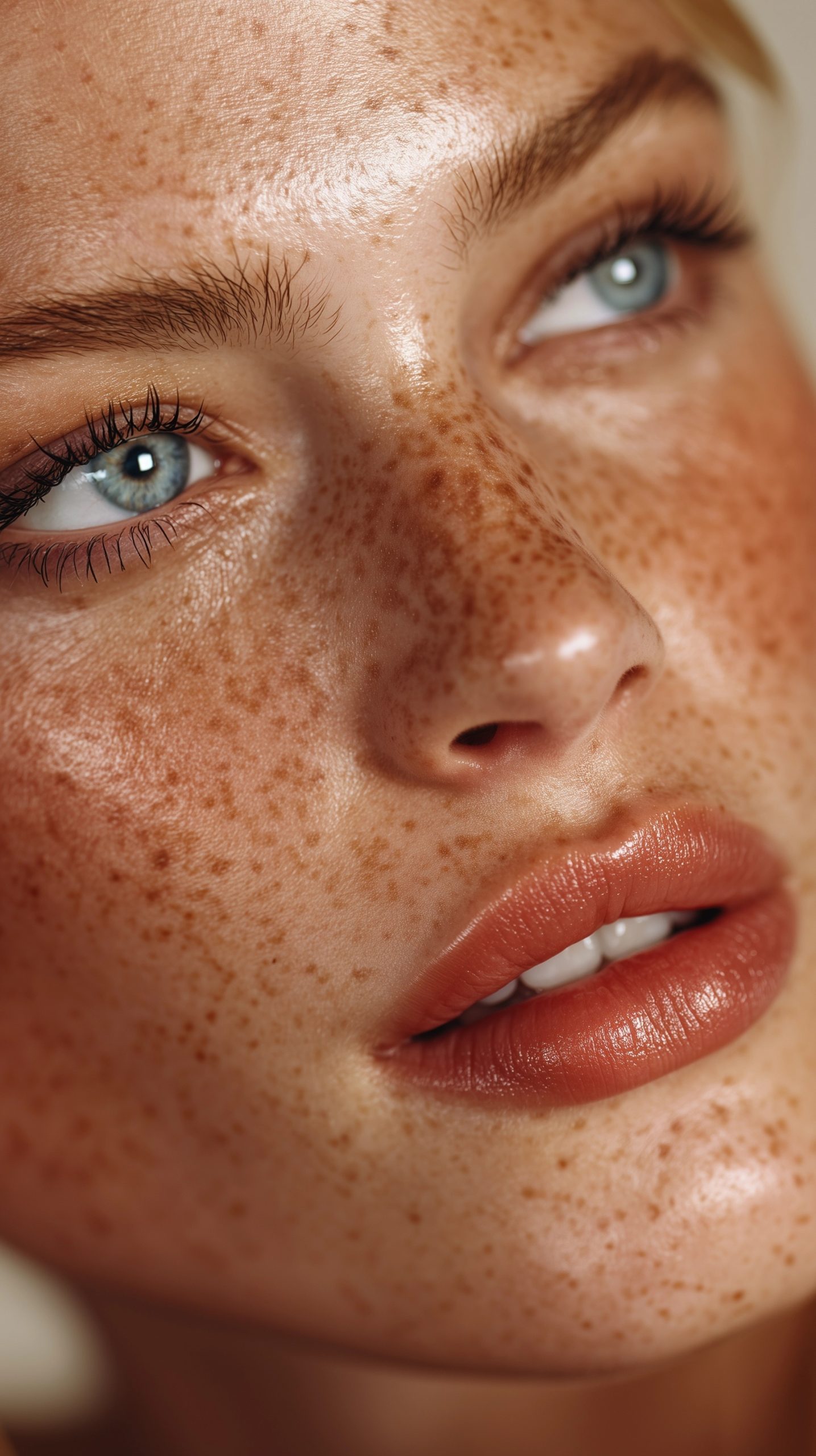
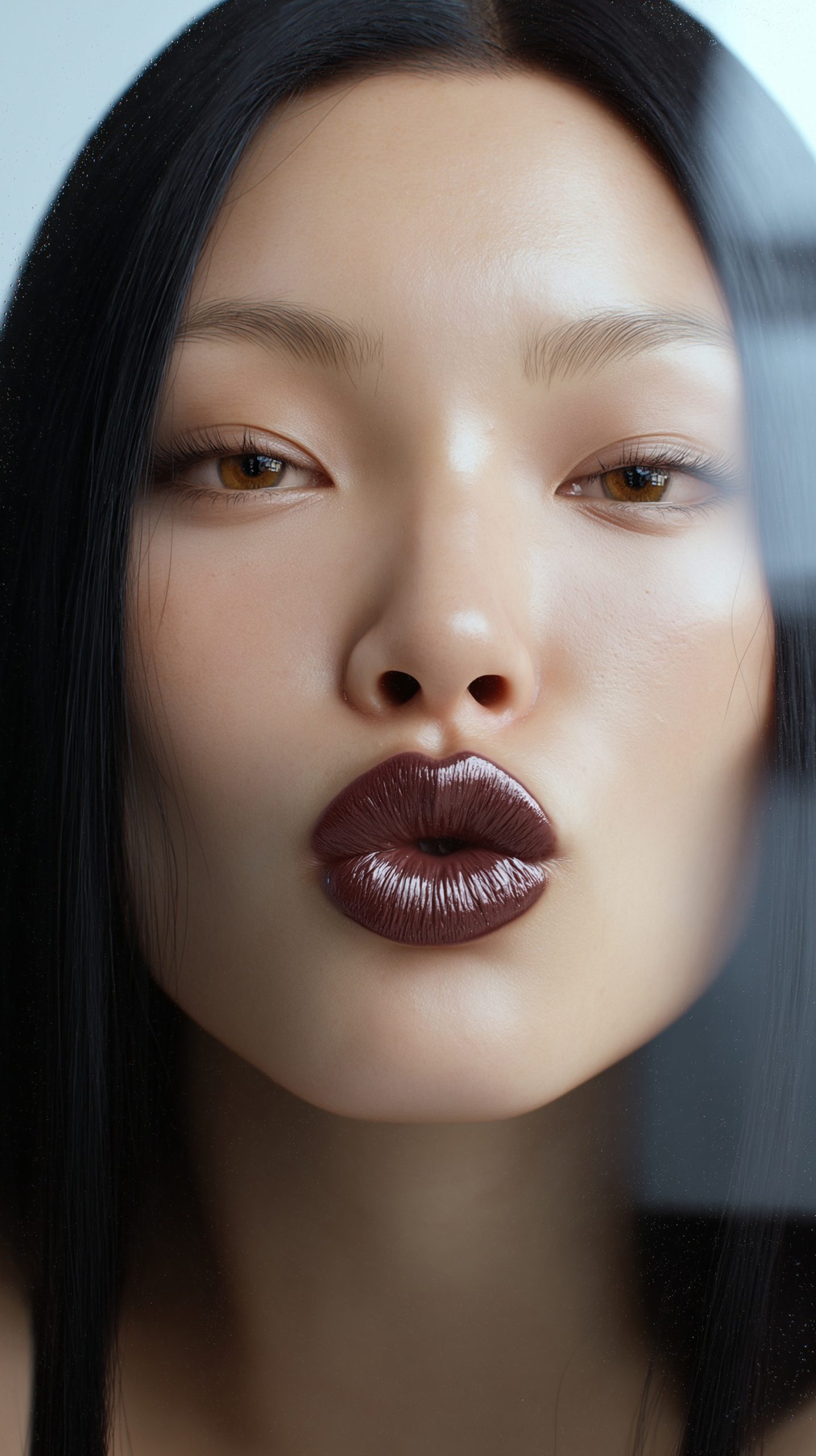
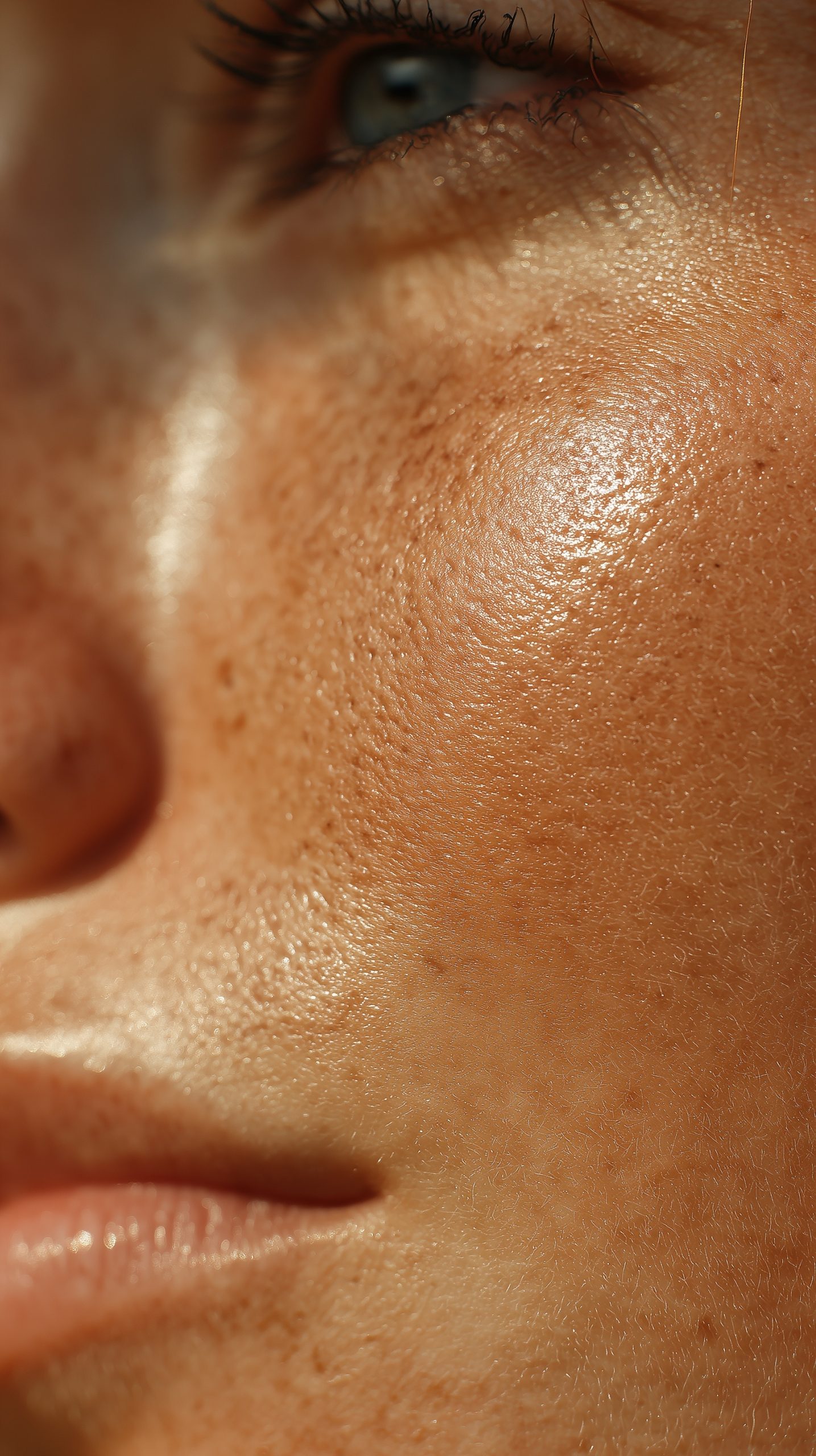
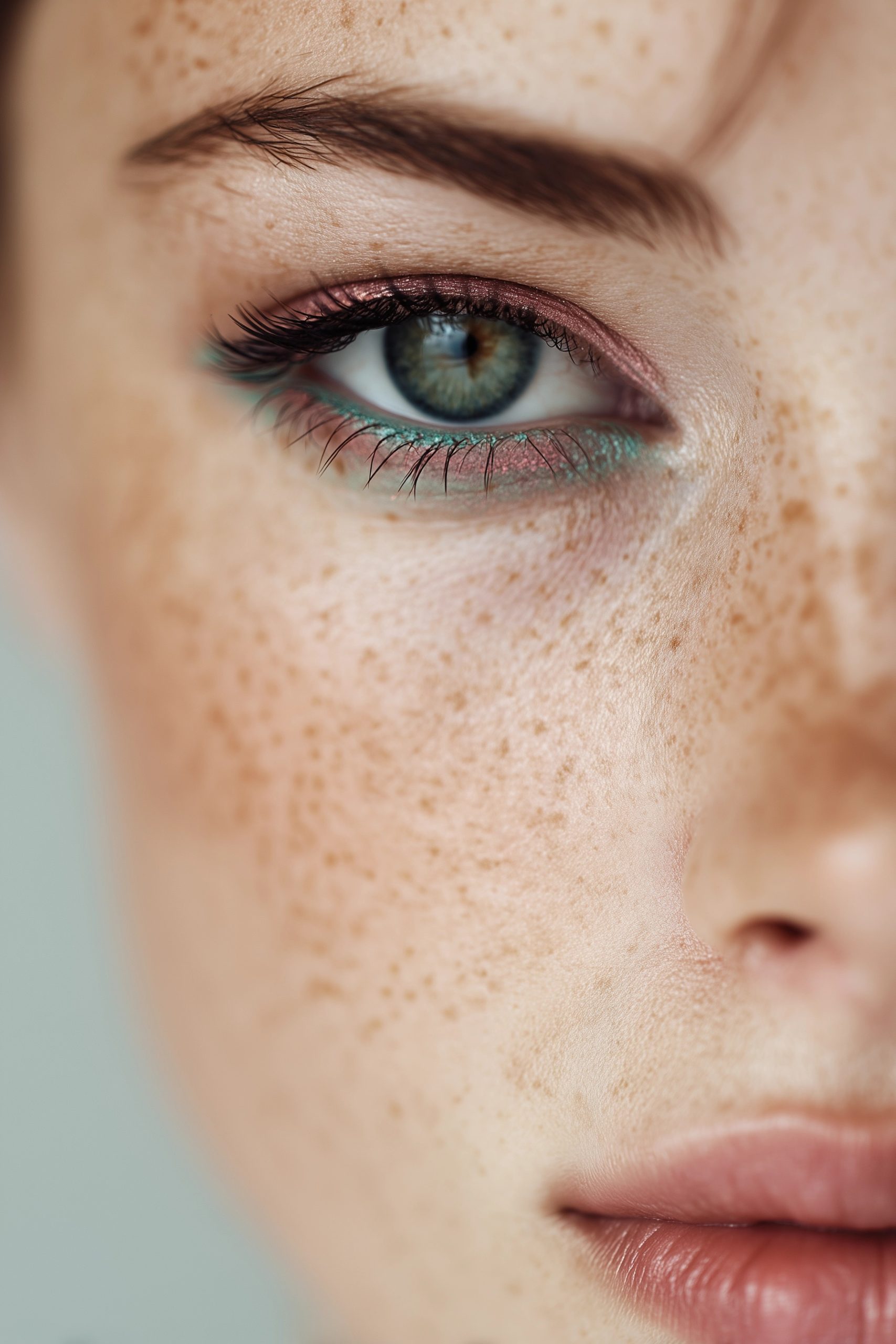
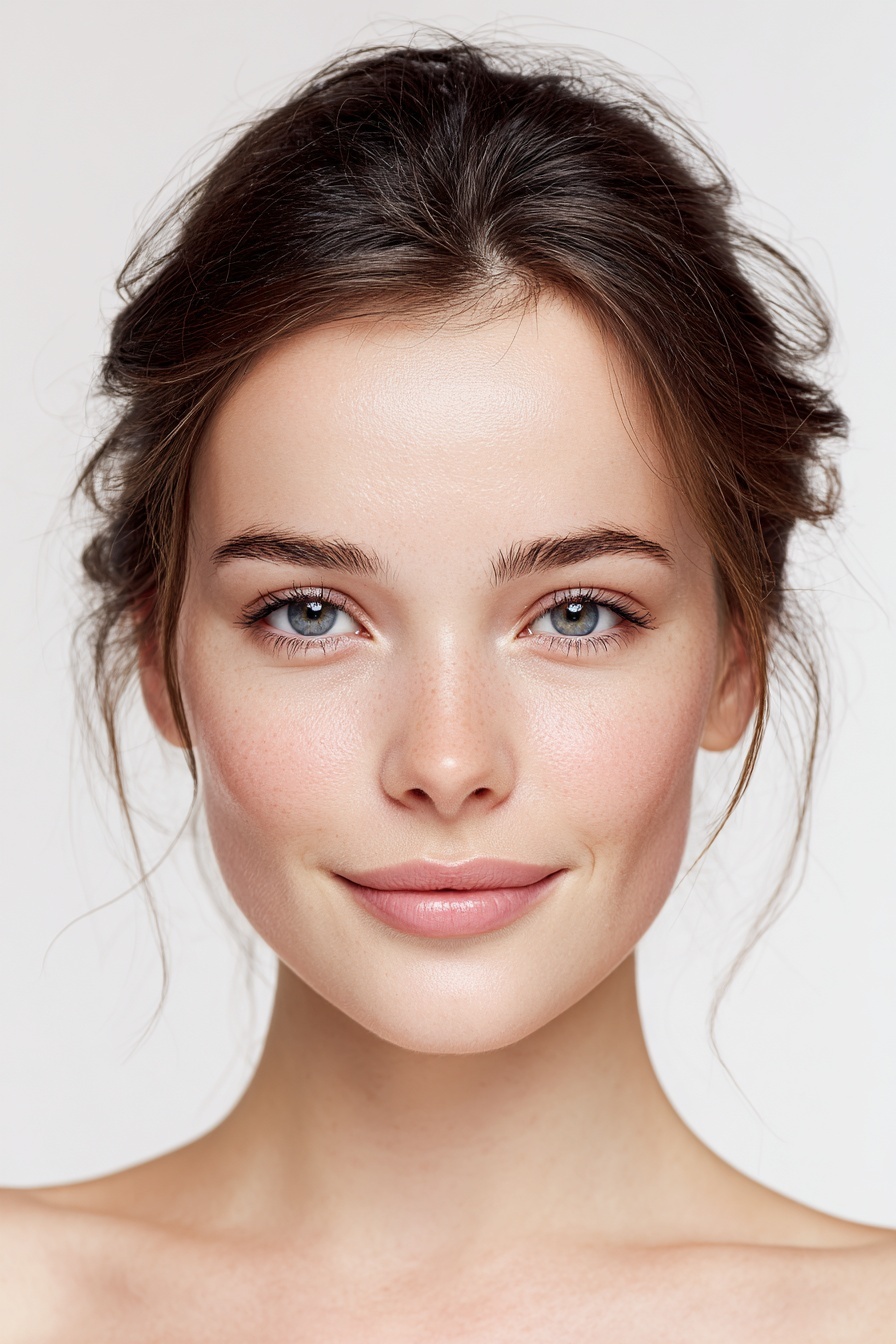
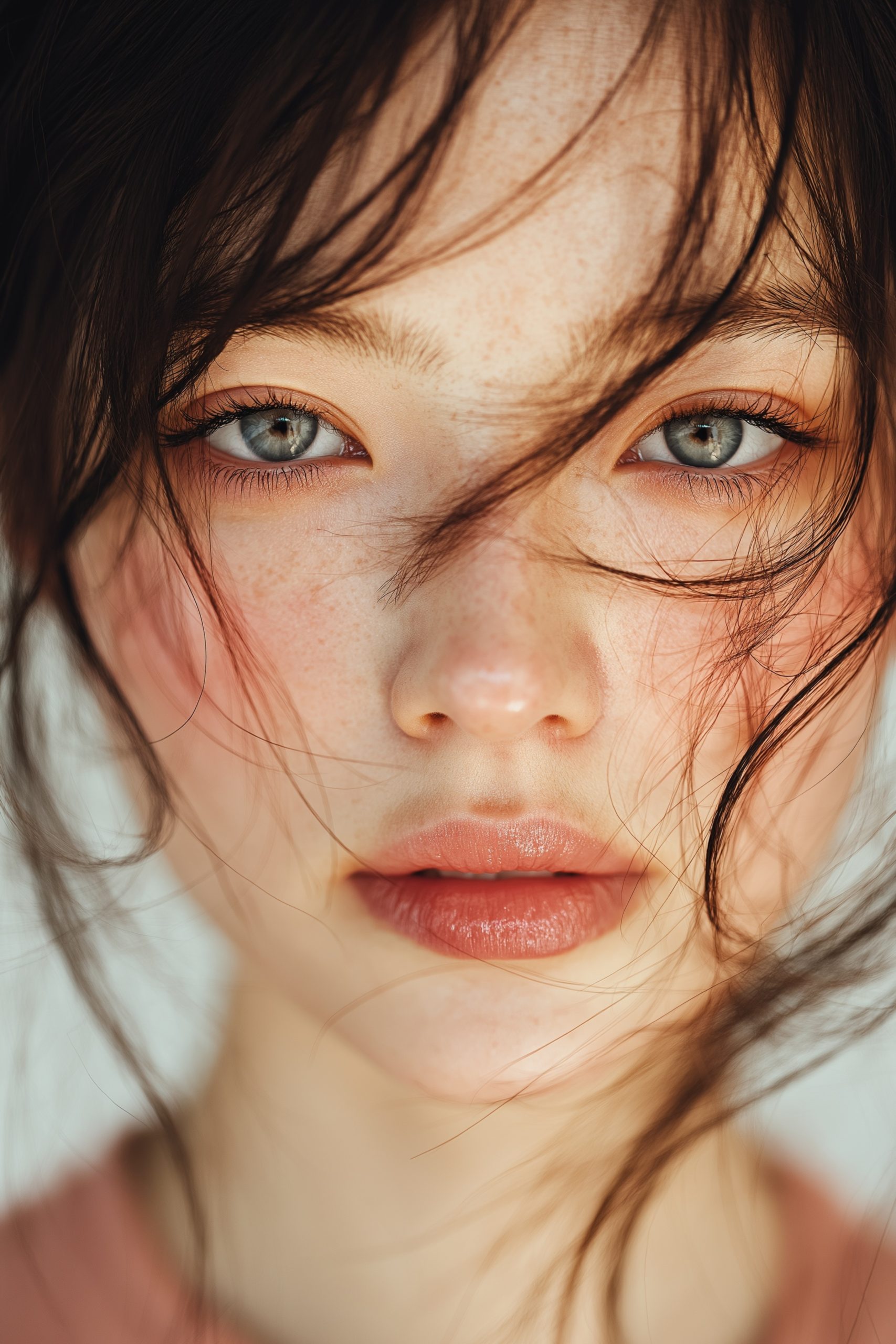
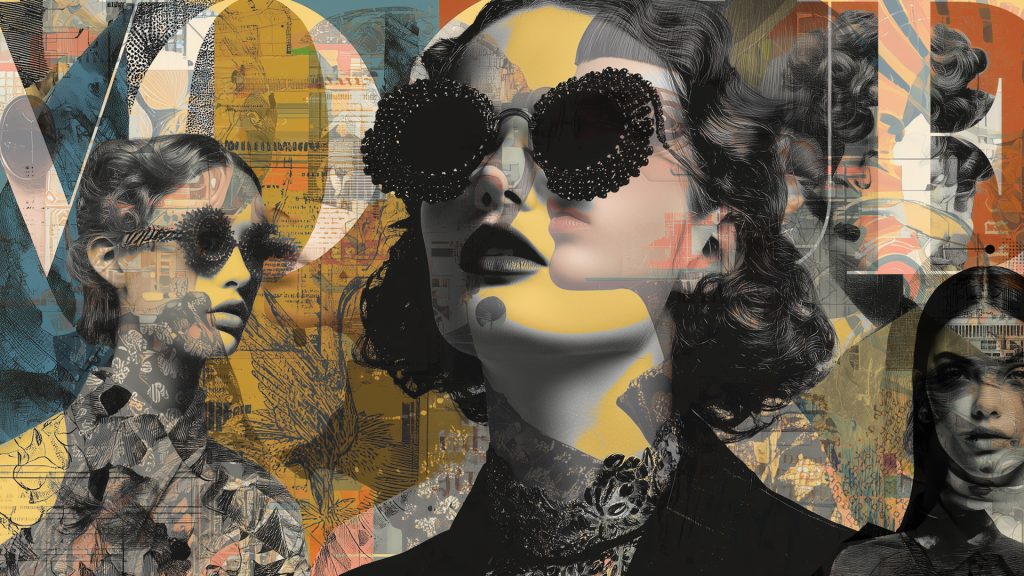
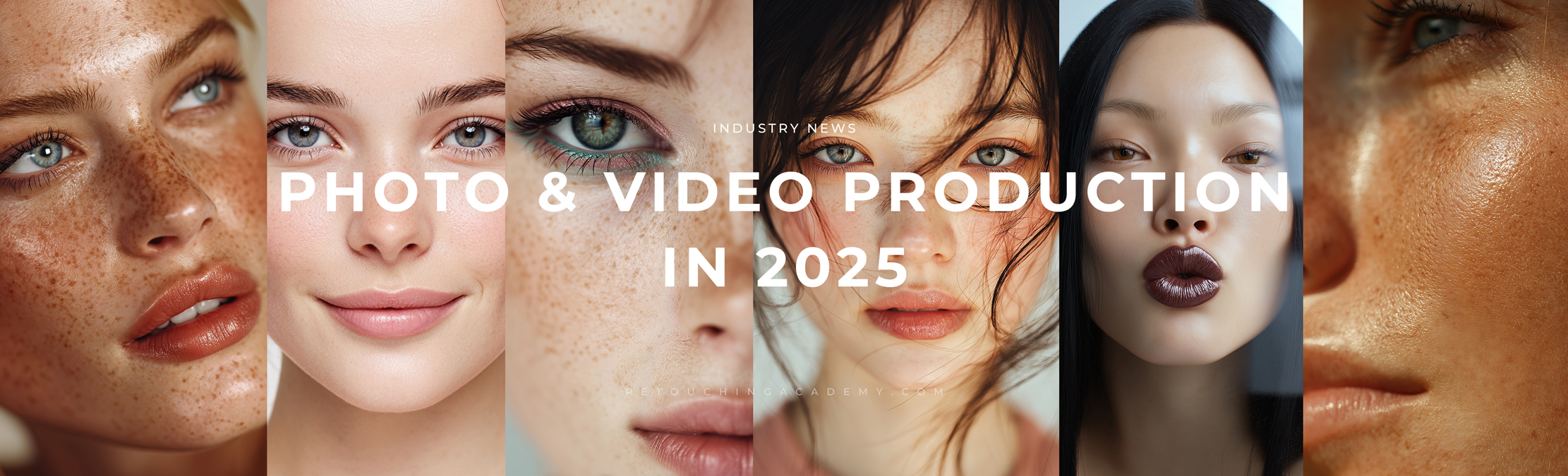
☝️Can you identify which images are AI-generated in the header image? 👇 I’ve also uploaded them without text below to make it easier, along with the answers at the bottom of this post.
I personally don’t see professional photography and video being completely replaced by AI-generated visuals (though I’m no clairvoyant), I’ve been exploring both for a couple of years now, and the pace of improvement is pretty spectacular.
Regardless of where it is going, the freelance market is already shaken up. So, those of us who want to continue our journeys as creative professionals will absolutely benefit from pivoting with intention:
♦️ Consider expanding into industries that will continue requiring photography and video (see examples below);
♦️ Evolve to or add video production where storytelling and human touch are irreplaceable;
♦️ Embrace AI as an amplifier, and use your creativity to make something unique with the help of AI tools.
⚠️ Concerns & Threats
AI Saturation & Displacement
AI-generated images are flooding stock platforms. Fast and cheap, they are creating immense pressure for traditional photographers. Some industry veterans have already folded due to lower demand and cheaper AI alternatives (more at The Last Stock Photographers Await Their Fate Under Generative AI, The Wall Street Journal).
I’ve admitted this multiple times before in other articles that watching this massive shift unfold gives me déjà vu — I imagine analog photographers experienced a similar type of uncertainty and anxiety when newbie shooters like myself showed up with our digital cameras and Photoshop.
Seasoned photographers with their film rolls who were willing to expand their skills and adapt to the digitalized version of their craft kept moving forward in their careers, while those who complained and felt defeated eventually exited the scene.
I believe the path forward for creatives of today is pretty much the same – your mindset will determine your future.
Undermining Creative Labor
Creative professionals warn “AI art is theft,” as generative AI tools train on existing works without consent, threatening our livelihoods (more at AI Art is Theft: Labour, Extraction, and Exploitation, Or, On the Dangers of Stochastic Pollocks, the paper by Trystan S. Goetze, Sue G. and Harry E. Bovay Program in the History & Ethics of Professional Engineering, Cornell University, USA. The paper is available as a PDF here).
I completely understand the concern, but will crying over spilled milk and holding onto resentment stop the Gen AI wave? I genuinely don’t think so. I believe we’ve already crossed the Rubicon. Did analog photographers have a chance of stopping the explosion of digital photography and Photoshop?
Psychological & Economic Toll
Many photographers report burnout and existential uncertainty, asking whether the value of human skill remains when AI meets client needs (more at Why So Many Photographers Are Burned Out in 2025, Fstoppers).
Although I don’t remember one year when professional photographers, including myself, didn’t feel burnt out 😆 It seems it’s just what we do – go in and out of exhaustion, never willing to decline a paid shoot despite the mounting backlog of unedited pictures.
View this post on Instagram
🌱 Opportunities For Adaptation
Integration & Upskilling
Creatives who adopt AI-infused workflows – like automating photo retouching and video editing, or prompt-guided asset creation – are actually seeing income growth.
Platforms like Upwork have reported 25% YoY revenue increases in AI-related freelance roles:
Freelance earnings from AI jobs are up 25% year over year. Freelancers in AI earn over 40% more per hour than those doing non-AI work. The increased freelance earnings from AI jobs are typically from people who already had experience in that particular field, Kelly Monahan, managing director of the Upwork Research Institute, tells Axios (more at Exclusive: AI job substitution is real, but narrow, per new study; Axios).
This means your current skillset is the foundation; use AI tools to supercharge your output. This is a massive opportunity for growth, not the time to wave a white flag and retreat.
Emphasis on Human Experience
Ariella Budick (Institute of Fine Arts, New York University), an Art Critic at Financial Times, emphasizes that AI can’t replicate human photography’s emotional imprint, and documentary & personal styles remain sacrosanct (/ˈsakrōˌsaNG(k)t/, regarded as too important or valuable to be interfered with). More at Transcript: What is the future of photography?; Financial Times.
I’ve gathered some examples from industries that rely on various genres of true photography and video below 👇
Hybrid Creative Roles
Photographers, retouchers, videographers, filmmakers, video editors, and storyboard artists who manage creative production and act as operators, curators, and directors of AI output, not just hands-on shooters and editors, are thriving. In the meantime, the entry-level, routine editing is being increasingly automated.
Here are a couple of examples of obvious opportunities, the hybrid roles that are needed today and will still be needed tomorrow.
All of the post-production managers within the structure of my larger commercial clients are former retouchers. They’re hired by big businesses to manage asset creation and act as the bridge between internal teams and outsourced photographers and retouchers. Former photographers and retouchers are a perfect fit for these roles because we all speak the same industry language, no matter what tools or techniques we’re using.
At Retouching Academy, we have always been looking for professional photographers and retouchers who can also write well to contribute to our blog. Today, we actually want them to leverage AI for efficiency, but not to replace their own voice or writing.
We also need creatives with a photo and retouching background who understand social media, customer support, as well as those who can create retouching-related video content for us. All these activities can now be streamlined by various AI tools, so we want those roles to be filled by freelancers who are already familiar with AI, even if only superficially. By the way, if you fall into any of these categories, please do reach out!
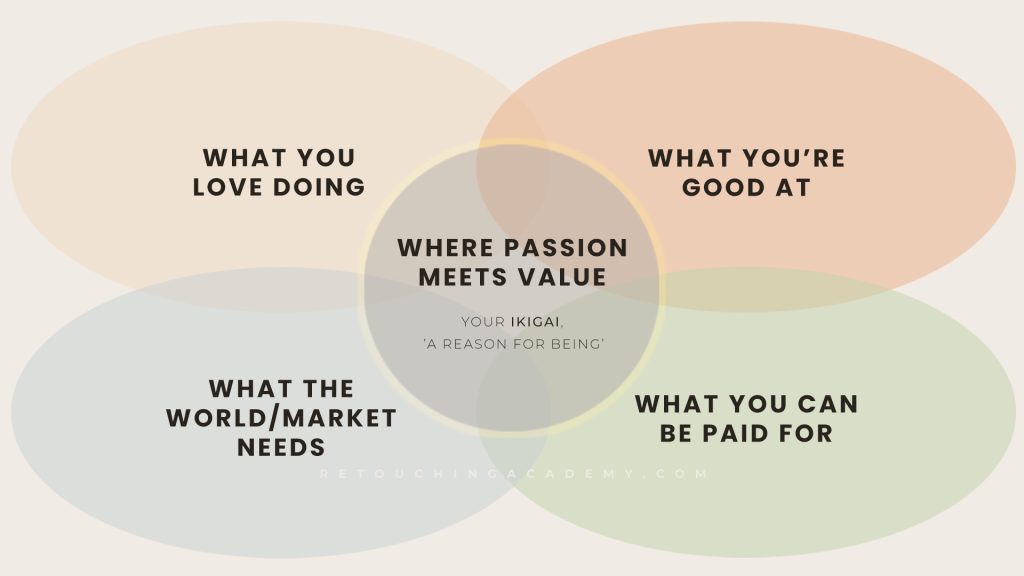
For a couple of years, I’ve been experimenting with all kinds of generative AI tools (images, video, music, voice, research and learning, refining my writing, creating shopping, workout and to-do lists, generating ideas and moodboards, and probably a few more things I’m forgetting), and I see incredible opportunities for anyone in the creative arts.
🎬 My humble Short History of Makeup and Mata Hari AI video experiments.
Even when using generative AI, I still rely on my visual taste and the skillset I’ve built over the past couple of decades. The benefit of using AI tools is that now I’m able to produce work I never could have created alone, from my home studio, or so quickly.
🗝️ Industries That Rely On Us Today
Still, in 2025, nearly every consumer-facing industry depends on photo and video content as essential components of their marketing.
Businesses of all sizes in retail, automotive, beauty, personal care, hospitality, real estate, lifestyle, food and beverage, wellness, and entertainment industries invest heavily in visual content to capture attention and drive sales.
While most brands today utilize a lot of user-generated content (UGC) for social media, professional photography remains the backbone of brand marketing strategies, especially for product launches, newsletters, website pages, and advertisements.
With that in mind, if you’re experiencing a slowdown in your current photography or retouching work, here are some ideas of markets you may consider expanding to, leveraging your current expertise as a visual creative professional.
Retail and E-commerce
Clean product imagery for PDPs (Product Detail Pages) and product launch campaigns all rely on professional photography and post-production to maintain visual quality, consistency, and correct product colors across all promo materials and platforms.
View this post on Instagram
View this post on Instagram
Hospitality & Travel
Destination photography must evoke emotion, highlight unique experiences, and inspire bookings – all of which require skilled photographers and retouchers behind the scenes.
Hotels, resorts, and travel agencies depend on immersive visuals to market their offerings, from room and amenity photography to cinematic destination reels.
View this post on Instagram
View this post on Instagram
Lifestyle & Wellness
Wellness brands, ranging from spa services to fitness and holistic retreats, rely on imagery that communicates calm, vitality, and aspirational living. This photography style blends editorial and commercial aesthetics to engage consumers visually and emotionally.
Photographers in the wellness space often work with natural light and lifestyle setups, while retouchers maintain a soft feel, and color-grade in natural, soothing colors.
View this post on Instagram
View this post on Instagram
Beauty & Personal Care
From skincare and cosmetics to haircare and fragrance, the beauty, personal care & wellness industries continue to grow even in uncertain economic times. High-end visuals, often with minimal color-grading to preserve true skin tone and makeup colors, are essential for showcasing product quality, packaging design, and transformative results, especially across social media, e-commerce, and advertising platforms.
Photographers and retouchers working in this space require specialized skills to ensure consistency and polish that aligns with brand identity, while preserving the natural appearance of skin and facial features.
View this post on Instagram
View this post on Instagram
View this post on Instagram
View this post on Instagram
View this post on Instagram
View this post on Instagram
Food and Beverage
The food and beverage industry demands visuals that spark emotion and appetite. Restaurants, chefs, and food brands need expertly styled photography to showcase texture, color, and freshness, often for menus, packaging, and social media. Retouching ensures every crumb and highlight looks intentional.
Behind-the-scenes videos, recipe reels, and influencer collaborations further enhance brand personality.
View this post on Instagram
View this post on Instagram
View this post on Instagram
View this post on Instagram
Portrait Photography
Family portraits, weddings, corporate headshots, and celebrity editorials – people-focused photography still requires a human artist’s touch, at least for now.
Clients expect these images to be flattering yet authentic and consistent with their personal or brand identity.
Skilled retouching plays a critical role in refining these portraits without “overcooking” them, especially when they’re used across websites, press kits, social platforms, or album and magazine covers.
View this post on Instagram
View this post on Instagram
Automotive
The automotive industry thrives on visually striking content. Manufacturers and dealerships rely on high-end photography to showcase the craftsmanship and design details of new models.
Cinematic videos bring cars to life for digital audiences.
From polished showroom shots to gritty lifestyle campaigns, photographers and retouchers play a critical role in crafting visuals that drive interest and sales across web, print, and social platforms.
View this post on Instagram
View this post on Instagram
Real Estate
Listings live or die by their visuals. Agents need perfectly lit, color- and perspective-corrected images to generate leads.
Real estate agencies also rely on video walkthroughs, drone footage, and virtual tours to market properties. If you are a still photographer, explore the video capabilities of your camera and add video editing to your skillset, so you can offer a range of deliverables within each client project.
View this post on Instagram
View this post on Instagram
👩💻🧑💻 Same Skillset – Other Roles
Post-production is not just skillful retouching – it’s the final execution step that can make or break the results of the entire creative process, from concept to publication, often involving multiple internal and external collaborators and significant investment.
If your photography or retouching business is slowing down, don’t panic. You are not stuck in a dead-end profession. Look around and find other options where your existing skills, with some new additional skills “stacked” on top, can make you the best fit for an in-house or remote position as a creative professional.
In addition to retouching, post-production professionals in various roles within businesses or creative agencies are responsible for:
- visual and color consistency across deliverables;
- managing outsourced creative teams (like my clients’ post-production managers with whom I communicate when working on commercial jobs);
- proper file formatting and asset optimization for various platforms;
- maintaining brand visual guidelines;
- managing projects’ post-production timelines and workflows;
- ensuring that the final visuals meet technical standards and creative expectations across all channels;
- and preparing images for print and digital use.
One of the highly valuable services my Avenue team and I offer our clients is actually pre-production consulting, where we make production recommendations that will help minimize post-production time and cost. My extensive experience in both commercial photography and retouching allows me to steer my clients’ production and post-production, avoid choices that can compromise the quality or desired timeline, and get more high-quality work done with maximum efficiency.
I hope this blog brings some relief to my fellow creative professionals.
At the end of the day, facing these inevitable industry shifts with a growth mindset – whether it means expanding your creative skill set or using AI tools to work more efficiently – is simply essential in today’s market.
The point I am here to make is that you don’t have to fear the change. Instead, look at it as an adventurous opportunity to imagine what other awesome, creative things you would enjoy doing, and leverage AI tools for research and learning new skills.
Start learning by doing, share your new work online, collaborate with other creatives, enter contests – whatever your heart desires. Before you know it, new clients will be looking for exactly what you’ve trained yourself to do.
We don’t retreat — we evolve. ⚡
💌 If you have a friend in our line of work who is feeling the pressure right now, send this post their way!
See you in the next post! 😊
Which Visuals Are AI-Generated?
Can you distinguish between the beauty shots that are real, retouched photographs, and those that are generated with AI?
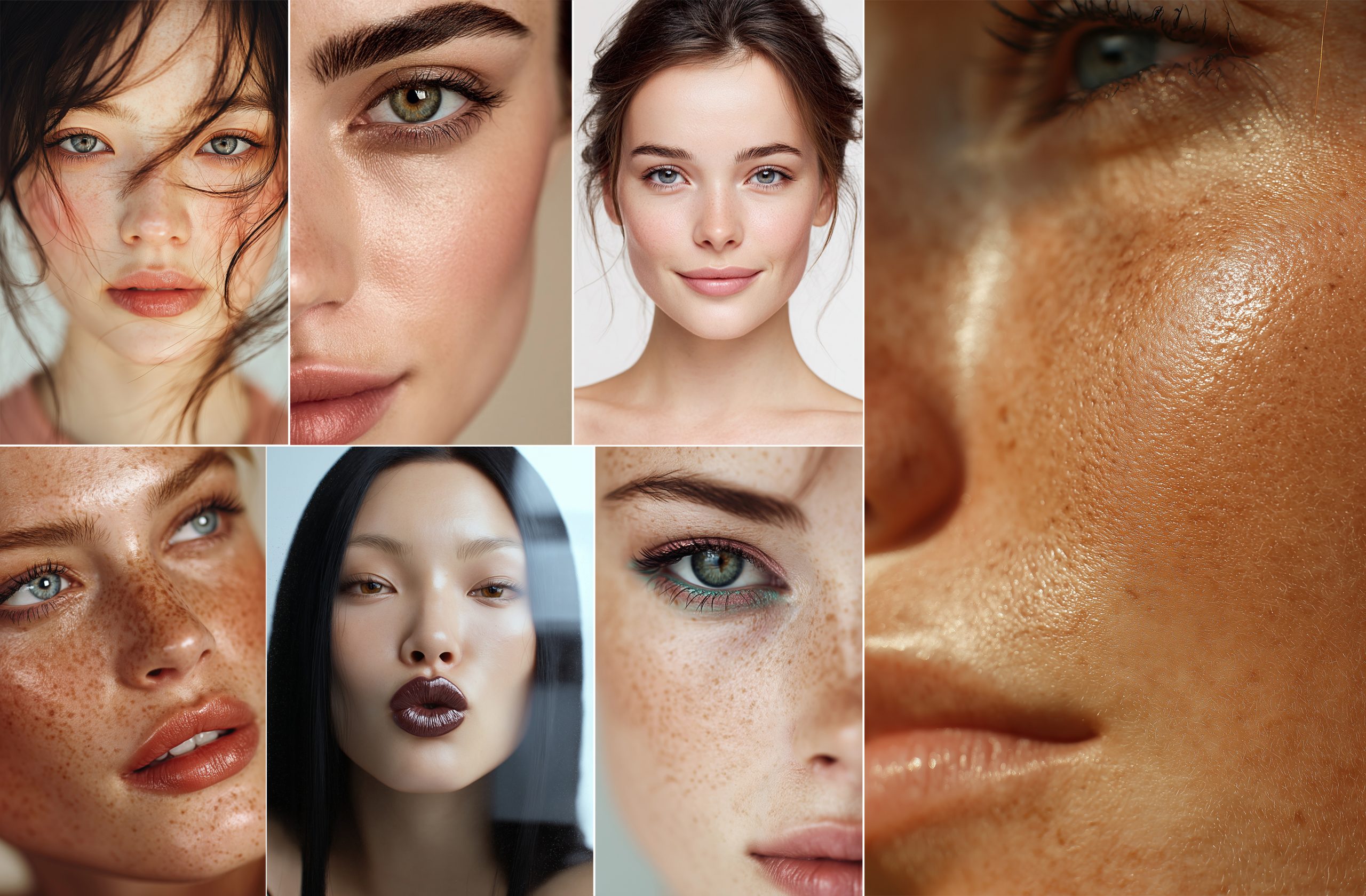
Answer to the question about the header image: Trick question. They are all generated in MidJourney. If you are a user, click on the images below to check out their prompts.
AI results are getting better by the minute, but your visual taste, understanding of tech, ability to come up with new ideas and manually assemble and refine the visuals using multiple tools and software are unbeatable.